.jpg)
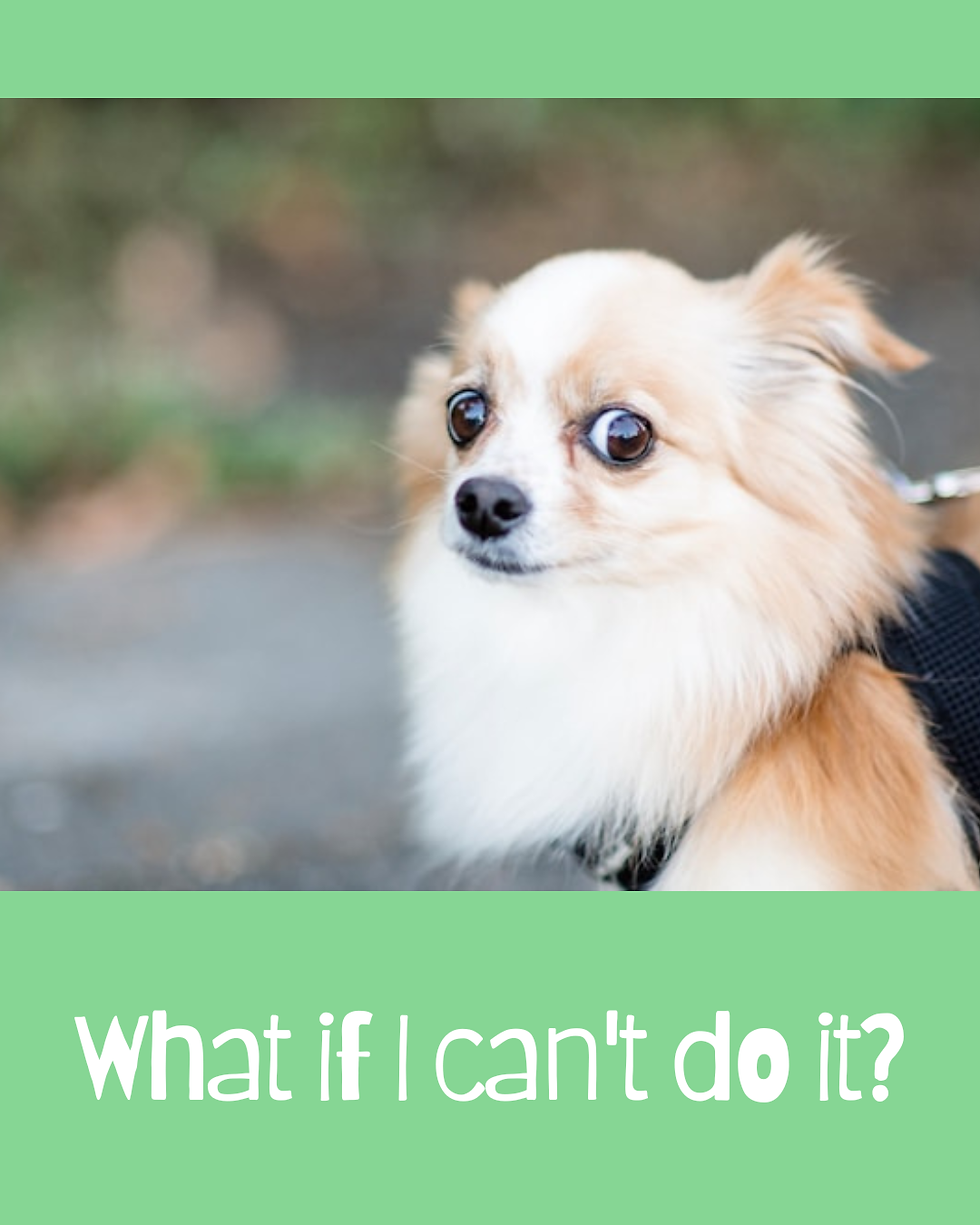
What if I can't do it?
The self-doubt conundrum in the context of female entrepreneurship
There are clusters of themes that come to the fore from chats with women who work for themselves. This is complex terrain, nuanced by tensions between roles, cultural demands and systemic dynamics.
What I'm seeing is that it's easy (or the cynic in me says 'convenient' from a societal point of view), to internalise issues as individual problems, rather than consider that they are symptomatic of social, cultural and economic structures.
A key one which often emerges is the chattery internal narrative of self-doubt and imposter syndrome. And it's no surprise that surges in anxiety often correspond with major life shifts such as the transition to motherhood and navigating midlife.
The biological, emotional, social and practical implications of these phases are seismic.
Women currently make up approximately 50.75% of the UK population, yet we rarely offer trusted spaces for open conversations about the impact of hormonal shifts and the inner splinter that can present itself when we are pulled in multiple (irreconcilable) directions. While women are increasingly stepping into the role of business founders, often this is a result of 'forced entrepreneurship' as the rigidity of the employment landscape does not always allow for autonomy or redesigning the fundamental architecture of work styles.
In terms of challenges to wellbeing and women's career growth, 21% of respondents to a survey in Start-Ups Magazine identified changing hormones during perimenopause and menopause as a significant barrier to success. Research from HSBC UK (Sept 2025) indicated that although female business owners have big growth ambitions, over a third (37%) of women who run their own business say that feelings of self-doubt are preventing them from growing their business.
While self-doubt isn't solely the domain of female founders and women who work for themselves, it seems to be more prevalent, or perhaps more openly expressed? And while imposter syndrome appears to pathologise critical inner narratives that can dominate perceptions around self-reference, it's also worth exploring the source of pervasive 'not enough' thinking.
Some of it may lie in our personal conditioning, in biological and hormonal shifts or have psychological roots in childhood. However, we shouldn't underestimate the heavy weight of collective and ancestral conditioning around what it means to be a woman juggling multiple (often seemingly conflicting) roles, carrying the weightiness of societal expectations.
There is great potential for exploration when we come together to unpick these themes in a collaborative and compassionate way. And of course there will be nuance amidst the generalisations, as well as space for ambiguity and ambivalence.
------
If you're a female founder or a woman who works for herself, you are most welcome to join the Grow Together group online coaching programme (which I'm co-delivering alongside Ruth Jackson) to explore this (and other topics) in a trusted space with like-minded peers. Pop me a message for more information on the programme overview.


Comments